

Mentors
Faculty Mentors
Dr. Brian Bothner | he/his
Department of Chemistry and Biochemistry
Research in the Bothner lab has two main focuses:
(1) Investigating cellular response to stress using chemical, proteomic, and metabolomic
techniques.
(2) Assembly, stability, and dynamics of multi-subunit enzymes and protein-nucleic
acid complexes.
Research in our group spans from the atomic scale (using high resolution structural
models) to complex interactive networks of nucleic acids, metabolites, and proteins
that make up living organisms. Methanogens and extremophiles from Yellowstone National
Park are at the center of a number of exciting research projects on-going in our group.
Potential Projects
Life on the rocks- uptake and trafficking of iron and sulfur in methane-producing microbes.
Structure and dynamics of enzymes responsible for carbon fixation and electrontransport in anoxic conditions.
Metabolic changes associated with transitions between aerobic to anaerobic environments.
Bothner Lab Website
Dr. Ross Carlson | he/his
Chemical and Biological Engineering Department
The Carlson group is a biochemical engineering group studying a range of microbial systems including medical infections, biofuel production, and environmental nutrient cycling. Our research combines classic engineering concepts with applied microbiology.
Potential Projects
Substrate preference of medical isolates as a function of antibiotic treatments.
Crossfeeding of metabolites in engineered consortia.
Fungal biofilms for food production.

Dr. Danielle Ulrich| she/hers
Department of Ecology
The Ulrich Plant Physiological Ecology Lab seeks to understand, predict, and mitigate how plants respond to and interact with their environments. We investigate the effect of environmental stressors like drought on the physiology of high-elevation five-needled pine trees. We quantify how plants use sunlight, carbon, and water to do photosynthesis, grow, and survive drought stress.
Potential Projects
Investigate how tree carbohydrate dynamics influence plant physiological tolerance of drought and heat stress in a greenhouse experiment.
danielle.ulrich@montana.edu
Matthew Fields | he/his
Department of Microbiology and Cell Biology
The Fields research group uses a combination of physiology, biochemistry, genetics, and molecular biology to better understand microbiological relationships, from individual cells and small populations, to whole communities and ecosystems. Ultimately, improved insight into microbiological relationships will allow scientists to predict and model microbial communities, as well as understand how to design microbial communities and utilize them in a variety of natural and engineered systems.
Potential Projects
Understand nitrate-reducing biofilms in low-pH environments and engineered systems.
Engineer biofilms using a novel 3D printing technique.
Elucidate the role of symbiotic bacterial communities in algal biofilms.
Christine Foreman | she/hers
Chemical and Biological Engineering Department
Our research group is interdisciplinary in nature, including biologists, chemists, and engineers with the common goal of exploring microbial survival and material transformations in icy ecosystems. We use a combination of field and laboratory studies, as well as approaches ranging from the single-cell to the community level to investigate the ecology, physiology, and evolution extreme-loving microorganisms (i.e. extremophiles) in icy systems. Additionally, we are interested in the adaptations of organisms in extreme environments, as extremophiles are natural resources for the discovery of pigments, biosurfactants, novel enzymes and other bioactive compounds of industrial relevance.
Potential Projects
Image and analyze biofilms from icy environments to understand microbial persistence and survival.
Investigate microbial sensing and biofilm attachment using THUNDER microscopy.
Modifications to extremophilic microbes in cold temperature conditions.
Robin Gerlach | he/his
Chemical and Biological Engineering Department
By tapping into the seemingly endless potential of microbes and biofilms to promote chemical reactions, we create solutions for societal problems, including global carbon emissions, sustainable energy production, novel biomaterials. Our research group currently focuses on the development of biology- and geology-inspired approaches for construction, material development, environmental remediation and medicine, as well as the development of technologies for producing algal biofuels and bioproducts through the use of extremophilic algae.
Potential Projects
Grow and characterize bio-cement producing biofilms to create novel materials and adhesives.
Screen biofilm samples from Yellowstone National Park and other extreme environments for biocement production capabilities, water and vapor treatment at extremes of pH and temperature.
Grow and characterize bacteria and/or archaea closely associated with algae at high pH values and high inorganic carbon concentrations (alkalinity).
Use biofilms to clean water and/or vapors.
Investigate the role of infectious biofilms and urine chemistry on the growth of urinary tract stones.
Dr. Stephan Warnat |he/his
Mechanical and Industrial Engineering Department
The Warnat research group creates microsensor systems that measure biological, chemical, and physical properties in harsh environments. These sensors can be integrated into microfluidic environments, allowing measurements of ultra-small volumes and visualization of biological processes. Our ongoing research examines how these sensors can be integrated into various biofilm-forming environments to detect biofilm attachment and provide feedback on problematic biofilms.
Potential Projects
Microsensors are one potential solution to monitoring biofilm formation in environmental settings, such as rivers or water wells. These small devices can be strategically placed to measure biofilm growth in real-time and provide valuable insights into the health of aquatic ecosystems. This project targets the development and testing of a sensor system to detect biofilms in Montana’s Clark Fork River.
An electrical model for biofilm formation on micro-sensors requires temperature-calibrated biofilm growth measurements. The model should accurately predict the growth of biofilms, considering factors such as temperature, conductivity, and other variables. The project aims to enhance the understanding of biofilm growth on sensor surfaces by improving a COMSOL Multiphysics model.
stephan.warnat@montana.edu

Ellen Lauchnor | she/hers
Civil Engineering Department
My research group works on strategies to improve water quality using microbes, both in environmental remediation and in wastewater treatment. For example, we study bacterial processes that can reduce heavy metal contamination in water, which can be present as a result of mining activities. Our research also extends into studying bacteria that remove certain contaminants from water during treatment of sewage. In particular, we’re interested in understanding bacterial processes in natural wastewater treatment systems, such as engineered wetlands.
Potential Projects
Develop and use assays for measuring nutrients in water and assessing performance of pilot-scale engineered wetlands for water treatment.
Use laboratory-scale sand columns saturated with water under various operating conditions to analyze the behavior of water-borne contaminants found in agricultural wastewater, such as nutrients and antibiotics.
Brent Peyton | he/his
Chemical and Biological Engineering Department
My research is focused on characterizing microorganisms and biofilm processes in natural and engineered systems, including the discovery and growth of extremophilic microorganisms and the understanding of biofilms for NASA and space related biofilms. Some REU students that work in my lab group will characterize and grow thermophilic (heat loving) biofilms on plastics that may lead to potential strategies for renewable plastics from current wastes. My group is also interested in studying biofilms that form on military vehicles operating in hot, humid environments in overseas military operations.
Potential Projects
Use biofilm microbes from Yellowstone hot springs to screen for organisms capable of growing on plastic wastes.
Grow and characterize multi-domain biofilms from military vehicle.

Dr. Adrienne Phillips | she/hers
Civil Engineering Department
Our research focuses on using bacterial biofilms for beneficial environmental engineering applications. Our team is inspired by nature’s ability to adapt to and thrive in extreme environments. Our current interests involve using biofilms to develop novel materials that can be used for construction and sustainable infrastructure (such as biological composites as alternatives to traditional cement and concrete) and environmental remediation in extreme environments such as the deep subsurface.
Potential Projects
Explore the use of biofilms in subsurface applications to mitigate greenhouse gas emissions from leaking oil and gas wells.
Investigate the use of alternate biological grouting materials in cold temperature environments for frost heave mitigation.
Develop biofilm-based multi-functional building or infrastructure materials.
Dr. Kelly Kirker |she/hers
Chemical and Biological Engineering Department
The Medical Biofilm Laboratory (MBL) is a research and teaching laboratory that does custom biofilm laboratory testing for companies to evaluate medical devices and tissue samples for the presence of biofilms and to test biofilm control strategies. In vitro models that can be used to evaluate biofilm control/treatment methodologies are an important part of the work performed in the MBL.
Potential Projects
Evaluation of medical devices, including antimicrobial wound dressings, wound washes, surgical lavages, catheters, and needleless connectors.
Development of single-species and polymicrobial in-vitro biofilm models including biofilm/cell culture models.
Testing of novel antibiofilm compounds and biomaterials.
Characterization of biofilms from human and animal specimens.
kelly.kirker@montana.edu
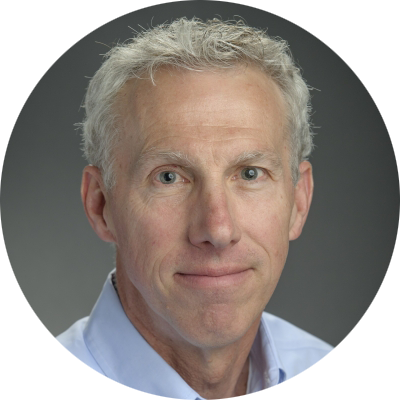
Dr. Phil Stewart | he/his
Chemical and Biological Engineering Department
Dr. Stewart’s research focuses on the control of detrimental microbial biofilms, multicellular aggregates of bacteria or fungi that form on wetted surfaces (e.g., dental plaque or slime on a kitchen sink strainer). A current target is biofouling that occurs in water systems of the International Space Station. The Stewart group is interested in the mechanisms that protect microbes in biofilms from disinfectants, antibiotics, and the innate immune system, allowing them to persist. The long-term practical goal of this work is to devise new strategies for improved control of biofilms in industrial settings and prevent infections on implanted medical devices.
Potential Projects
Dr. Stewart will not be able to host REU students during Summer 2026.

Dr. Patrick Secor|he/his
Department of Microbiology and Cell Biology
The Secor Lab studies how bacteriophages (viruses that infect bacteria) shape the formation, stability, and behavior of bacterial biofilms. We investigate how bacteria, phages, and the immune system interact to influence infection outcomes relevant to human health. Our work focuses on how phages drive bacterial phenotypes and behaviors inside biofilms, including changes in growth, virulence, and stress responses. Ultimately, we aim to translate these insights into new strategies to control biofilm-associated infections.
Potential Projects
Define how bacterial immune systems protect biofilm-growing bacteria from infection by bacteriophages.
Explore bacterial biofilm formation in the tick midgut over the course of a bloodmeal.
Investigate secondary functions of phage proteins and how they influence bacterial biofilm formation, stress responses, or virulence-related behaviors.

Dr. Anja Kunze|she/hers
Electrical and Computer Engineering Department
The Kunze Neuroengineering lab focuses on uncovering how neurons sense, interpret, and adapt to physical and biochemical and cues in their surroundings. Our work centers on subcellular processes- such as the organization of calcium microdomains and the dynamics of the mitrochondria- that drive neuronal responsiveness. To probe these mechanisms, we develop micro platforms for neurons where we can superimpose finely patterned magnetic field landscapes, allowing controlled modulation of neurons and magnetically responsive nanoparticles. Through these engineered environments, we assess how magnetic and other physical stimuli influence subcellular dynamics in living neurons. Our goal is to translate these insights into new strategies for understanding neurodegeneration and for designing diagnostic tools and advanced neural interface technologies.
Potential Projects
Modulate Neuronal Mitochondria Dynamics with Milli-Scaled Multipolar Magnetic Fields and Gradient
Analyze Characteristics of Subcellular Neuronal Calcium Microdomains under Magnetic Field Environments
anja.kunze@montana.edu

Dr. Laura Jennings|she/hers
Department of Microbiology and Cell Biology
The Jennings lab studies how bacterial biofilms survive and thrive under extreme and fluctuating environmental conditions. Biofilms protect bacteria through a combination of a sticky polysaccharide matrix, diversification of cell behaviors, and memory of past stresses. Work in Dr. Jenning's lab combines microbiology and molecular biology techniques to understand how these strategies help biofilms resist antibiotics, host defenses, and other environmental extremes. This reveals the mechanisms that allow bacteria in biofilms to adapt to uncertainty, with implications for both human health and environmental systems.
Potential Projects
Characterize biofilm matrix polysaccharides and their role in protecting bacteria from extreme conditions.
Investigate how epigenetic modifications drive phenotypic variability to enhance biofilm survival in fluctuating environments.
Explore whether biofilms retain a “memory” of past stresses and how this influences their response to new environmental challenges.

Dr. Diane Bimczok|she/hers
Department of Microbiology and Cell Biology
The Bimczok laboratory in the Department of Microbiology and Cell Biology investigates cellular and molecular mechanisms of host-pathogen interactions in the gastrointestinal and respiratory tract. We use a combination of organoid models, animal and human studies, microscopy techniques, and transcriptomics to understand how protective immune responses to pathogens can be induced at epithelial sites. Current projects are focused on Helicobacter pylori infection in the human stomach, Mycoplasma ovipneumoniae infection in the sheep respiratory tract, and Vibrio cholerae biofilms in the intestine.
Potential Projects
Characterize iron sequestration dynamics by Helicobacter pylori biofilms as a mechanism for bacterial survival.
Determine the distribution of Mycoplasma ovipneumoniae biofilms throughout the sheep respiratory tract using fluorescence microscopy.
Identify intestinal epithelial factors that induce the development of biofilm aggregates by Vibrio cholerae.
REU Team Members
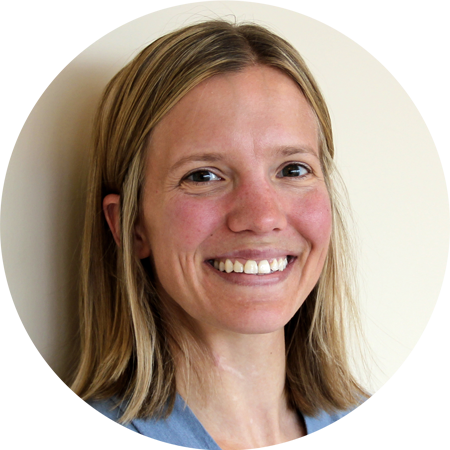
Dr. Dana Skorupa | she/hers
Chemical and Biological Engineering Department
REU Program Coordinator
Dr. Dana Skorupa is an Assistant Research Professor of Chemical & Biological Engineering at MSU and serves as the Extreme Biofilms REU Program Coordinator.