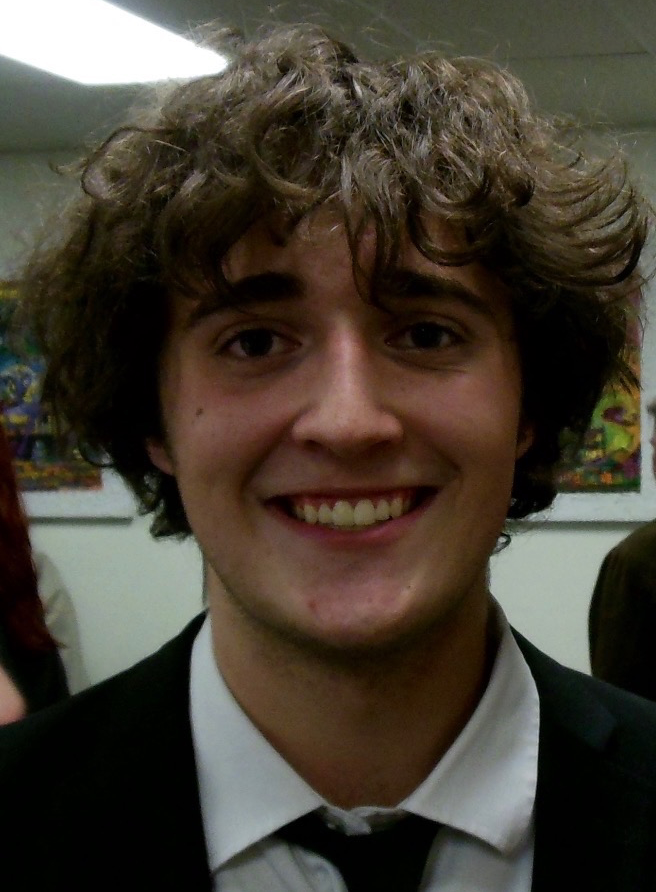

Graduate Student Fellow: Prince Asamoah
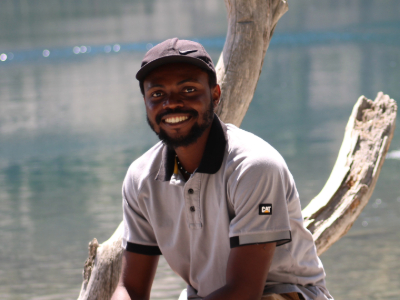
Prince Asamoah
My name is Prince Asamoah, a graduate student in the Lawrence Lab (Structural Virology lab). I am originally from Ghana, West Africa, and earned my BSc in Biochemistry, Cell and Molecular Biology at the University of Ghana. During my undergraduate studies, I worked on a project aimed at detecting Epstein-Barr virus (EBV) in HIV patients on antiviral therapy and those not undergoing treatment. This experience strengthened my interest in virology and the desire to advance knowledge that addresses viral challenges.
After joining the Lawrence Lab, I became interested in archaeal viruses that infect hyperthermophilic archaea. Their ability to thrive in extreme environments makes them fascinating. This led to my current project: ‘Structural Characterization of SSV9 Viral Capsid and Tail, and Elucidation of its Infection Mechanism Using CryoEM’ which aims to determine how Sulfolobus spindle-shaped virus 9 (SSV9) attaches to host cells and releases its genome. Currently, little is known about this process, so my research will provide critical insights into SSV9 infection. Ultimately, this work contributes to understanding life in extreme environments, with implications for evolutionary biology and potential biotechnological applications.
For hobbies, I love listening to music, playing piano and currently developing an interest in hiking and skiing.


Undergraduate Student Fellow: Brooke Binando
placeholder image
Brooke Binando is a senior pursuing a Microbiology Pre-Medicine degree at Montana State University. When she graduates, she plans to apply to medical school. Brooke is originally from Red Lodge, Montana, where she graduated from Red Lodge High School in 2022. She has additionally served as a Resident Advisor for three years, working in several different residence halls across campus. Brooke also serves as a non-voting member on the Bridgercare Board through the Boardroom Bobcat program.In spring 2025, she joined Dr. Mensur Dlakic’s lab, where she worked on synthesizing and testing inhibitors for cytolethal-distending toxins produced by various bacterial strains. In fall 2025, her focus shifted to a new project based on a research study published in August 2025, which identified numerous antimicrobial peptides originating from archaea. This current research centers around the ever-growing issue of antibiotic resistance. Building on this idea, she will explore whether small, unique peptides from Washburn Hot Springs and Yellowstone Lake exhibit antimicrobial properties by expressing select candidates. She will then examine their activity against clinical and non-clinical strains with support from the Thermal Biology Institute Fellowship.